 |
|


 |
 |
||||||
  |
What Jersey City Homeowners Should Know About Solar Inspection Frequency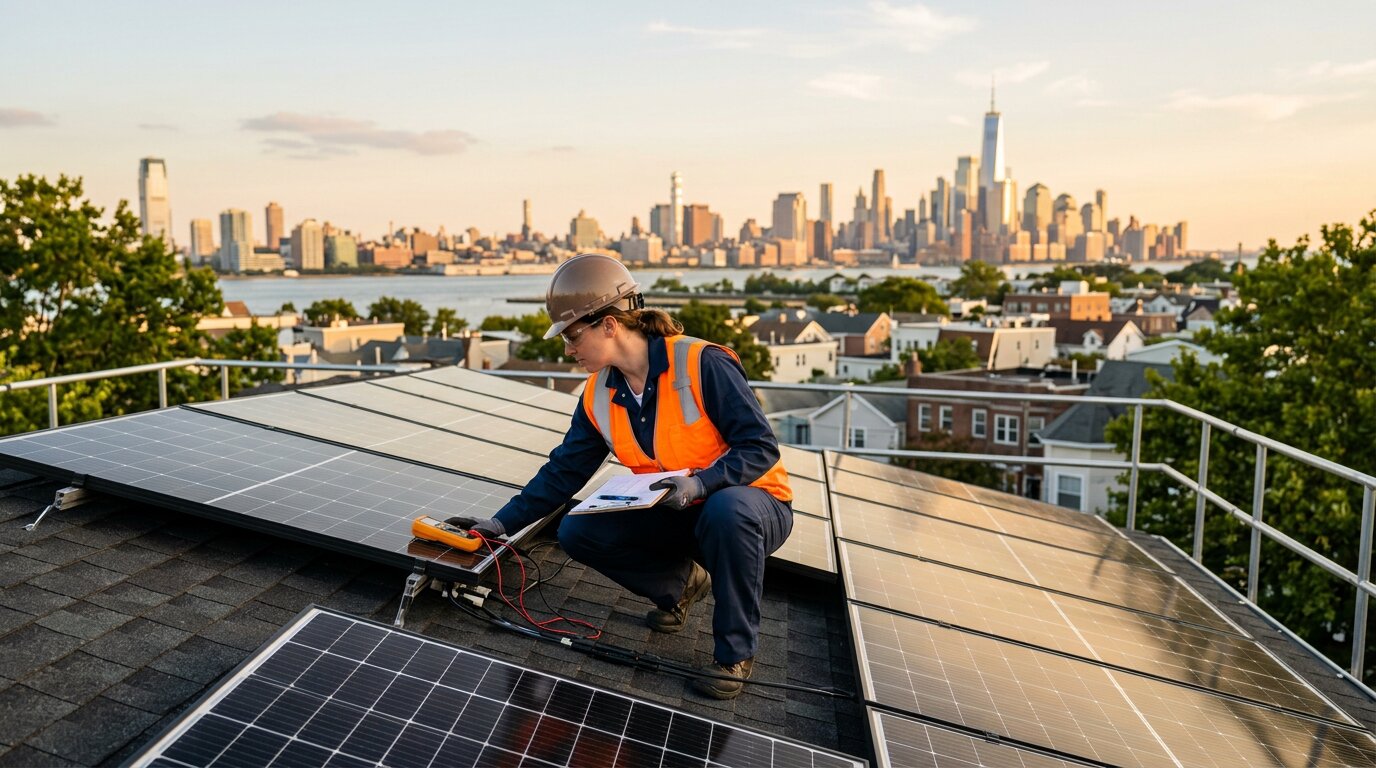
If you own or are considering solar panels in Jersey City, you can’t afford to overlook when and how often inspections should happen. Not only does regular checking keep your system performing at its best, it also helps you avoid costly repairs or sudden drops in energy production. But how often should you really schedule inspections, and what signs might hint at urgent problems? There’s more to consider before you set your calendar. Pre-Installation and Post-Installation Solar InspectionsBefore proceeding with the installation of Solar Panels Jersey City, NJ on your Jersey City residence, it is essential to conduct a comprehensive pre-installation inspection. This evaluation assesses the roof's condition, dimensions, and inclination to determine if any necessary repairs or upgrades are warranted. The inspection should identify potential risks, such as visible damage, structural integrity issues, and the condition of electrical connections, as well as any concerns related to weather impacts and the local climate. Following the installation of solar panels, a post-installation inspection is required to ensure compliance with municipal electrical codes. This inspection verifies that the solar system, including rooftop mounting systems and batteries, meets established performance standards. Furthermore, utility companies typically perform their own evaluations prior to permitting energy production. Be aware that newer solar systems may require more frequent inspections to monitor their efficiency and identify any emerging issues that may arise over time. Adhering to these inspection protocols is crucial for the safe and efficient operation of solar energy systems. Recognizing and Addressing Solar System DamageIndividuals with solar panel systems should remain vigilant regarding any indicators of potential damage to their setup. Key signs to monitor include cracked panels, loose electrical connections, unusual electrical behavior, or significant decreases in energy output. Environmental factors such as hailstorms or extreme weather conditions can result in visible damage that necessitates prompt inspection. If a solar system’s performance drops below the expected output by more than 10%, it is advisable to schedule an inspection. Newer solar panel systems may require more frequent evaluations compared to older installations. Homeowners should adhere to the maintenance recommendations provided by the installer and periodically inspect key components, including rooftop panels, battery systems, and mounting hardware. Conducting timely inspections is crucial as it aids in preventing costly repairs and mitigates potential risks, ensuring optimal energy production. For commercial systems or those that have been installed within the last five years, additional monitoring and maintenance attention may be warranted due to their specific operational demands. Monitoring Roof Condition and Its Impact on Solar PanelsThe performance of solar panels is closely linked to the condition of the roof upon which they are installed. Homeowners are advised to regularly monitor their roofs for any signs of visible damage, such as leaks or brittleness, as these issues may affect both the mounting systems and the overall integrity of the solar investment. Environmental factors, including hailstorms and changing local climate conditions, can necessitate increased inspection frequency. Additionally, roofs that are older or approaching five years since installation require consistent inspections to ensure electrical safety and maintain optimal solar output. It is important to note that solar panel systems installed on older roofs may need more frequent evaluations compared to newer installations. To stay informed about potential issues, homeowners can use established channels to set up email notifications regarding roof condition monitoring. Regular assessments are essential for maximizing the longevity and efficiency of both the roof and the solar panels. Inspection Recommendations from InstallersSolar installers often recommend a routine inspection schedule to ensure that solar energy systems operate efficiently and comply with warranty requirements. Typically, inspections for newer systems are suggested every five years, while older systems or those situated in regions with severe weather conditions may necessitate more frequent evaluations. Various risks can adversely affect system performance, including physical damage from hailstorms, cracked panels, loose connections, and compromised mounting systems. Such issues can significantly impact energy production and overall output. Therefore, many installers advocate for the use of monitoring tools that facilitate the early detection of potential problems within the system. Comprehensive inspections should encompass a thorough examination of electrical components, battery conditions, visible rooftop damage, and other critical aspects of the installation. These procedures contribute to the maintenance of optimal performance and help prevent costly repairs or reductions in energy efficiency over time. Adhering to a recommended inspection schedule is a pragmatic approach to ensuring the long-term reliability of solar energy systems. Determining Inspection Frequency for Residential and Commercial SystemsThe frequency of inspections for solar systems varies based on whether the system is residential or commercial, as well as factors such as the system's age and local environmental conditions. For residential installations, an annual inspection is generally recommended to ensure optimal output, identify any physical damage, and assess electrical safety. While newer systems may not require inspections as frequently, older systems, particularly those installed on rooftops, should be inspected yearly to mitigate risks associated with loose connections, cracked panels, or problems with the mounting infrastructure. In contrast, commercial solar systems typically necessitate more frequent inspections. This is primarily due to their complexity and heightened performance requirements. Regular monitoring is essential to ensure these systems operate efficiently and meet regulatory and operational standards. Additionally, inspections should be conducted promptly following severe weather events, such as hailstorms, which could potentially compromise the system's integrity. Regular maintenance may also require adjustments based on evolving conditions or performance metrics. For further information on inspection frequency and best practices, it is advisable to consult professional services or review recent publications on the subject. Key Steps in the Solar Panel Inspection ProcessThe solar panel inspection process begins with a comprehensive visual assessment of the entire system. This involves examining the panels for any visible damage, such as cracks or loose connections, particularly on rooftop installations. It is essential to check the integrity of mounting systems as adverse weather conditions, including hailstorms, may lead to structural concerns that necessitate more frequent inspections. Following the visual evaluation, an electrical inspection is warranted. This includes measuring voltage, current, and resistance to verify that the system is functioning within expected parameters. Additionally, thermal imaging can be employed to identify hidden faults that may negatively impact energy production. For commercial systems or installations located in areas with significant climate risks, it is advisable to conduct inspections more frequently—potentially every five years. Furthermore, newer solar systems, particularly those integrated with batteries, should be monitored regularly to ensure compliance with performance standards. This structured approach helps maintain optimal functionality and prolongs the lifespan of solar energy systems. Identifying Signs That Require Immediate InspectionIdentifying signs that necessitate immediate inspection of your solar system performance is important for maintaining efficiency and safety. A reduction in energy production exceeding 10% below expected output warrants a thorough evaluation. Additionally, if energy bills increase unexpectedly during periods of favorable weather, it is advisable to arrange a comprehensive inspection. Visible damage to the system, such as cracked panels or loose mounting systems, requires prompt attention. Physical damage resulting from severe weather events, such as hailstorms, should also be addressed immediately to prevent further complications. Moreover, unusual noises or odors emanating from electrical components or inverters indicate potential risks that necessitate professional examination. Homeowners with newer solar systems are particularly encouraged to engage in regular monitoring, as varying local climate conditions may impact system performance and call for more frequent assessments. If you observe any of these issues or require further information, please reach out for assistance. Ensuring that your system is functioning optimally can help prevent more significant problems and enhance the overall longevity of your investment. ConclusionRegular solar inspections should be a key part of your home maintenance routine. By staying proactive, you’ll protect your investment, maintain system efficiency, and avoid small issues becoming costly repairs. Don’t ignore warning signs like reduced output or visible damage—schedule a professional check when needed. Whether your system is new or several years old, consistent inspections will help you get the most from your panels and ensure that Jersey City’s climate doesn’t catch you off guard. |
|||||
| Revised 9/4/2016 |